
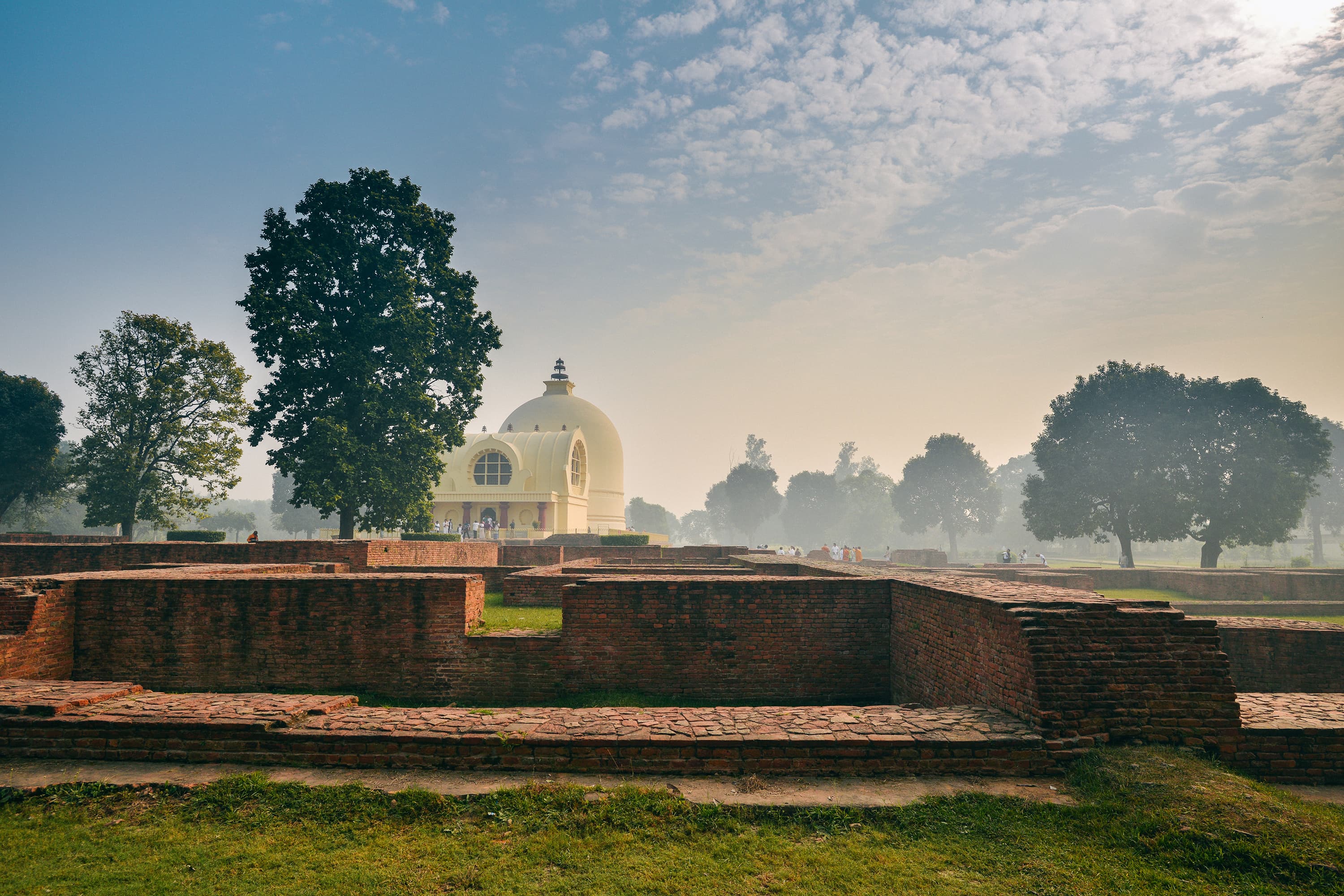
The world is very
loud right now.
Wars are being fought. Cities are anxious. The news doesn't stop, and most of it is heavy. We carry more information, more uncertainty, more ambient fear than any generation before us.
This is not a new condition. People have always needed somewhere to put the weight of the world down — even briefly, even imperfectly. The question is always the same: what do you return to, when returning is possible?
We return to a very old story — about a man who walked across northern India looking for an answer to exactly that question. And who found one.
Siddhartha Gautama was not a god. He was a man who lived in the fifth century BCE — who left a palace, renounced comfort, and spent years, physically on foot, walking across northern India and Nepal looking for an answer to suffering.
He found it. And the route he walked — Lumbini to Bodh Gaya to Sarnath to Rajgir to Kushinagar — is still there. The places still stand. They are real places, with real coordinates, visited by millions of people every year who are also, in some way, looking.
We are not a religious brand. We do not ask you to believe anything. We ask only that you consider the journey — five places, one road, 2,500 years of people walking it.
Five places.
One journey.
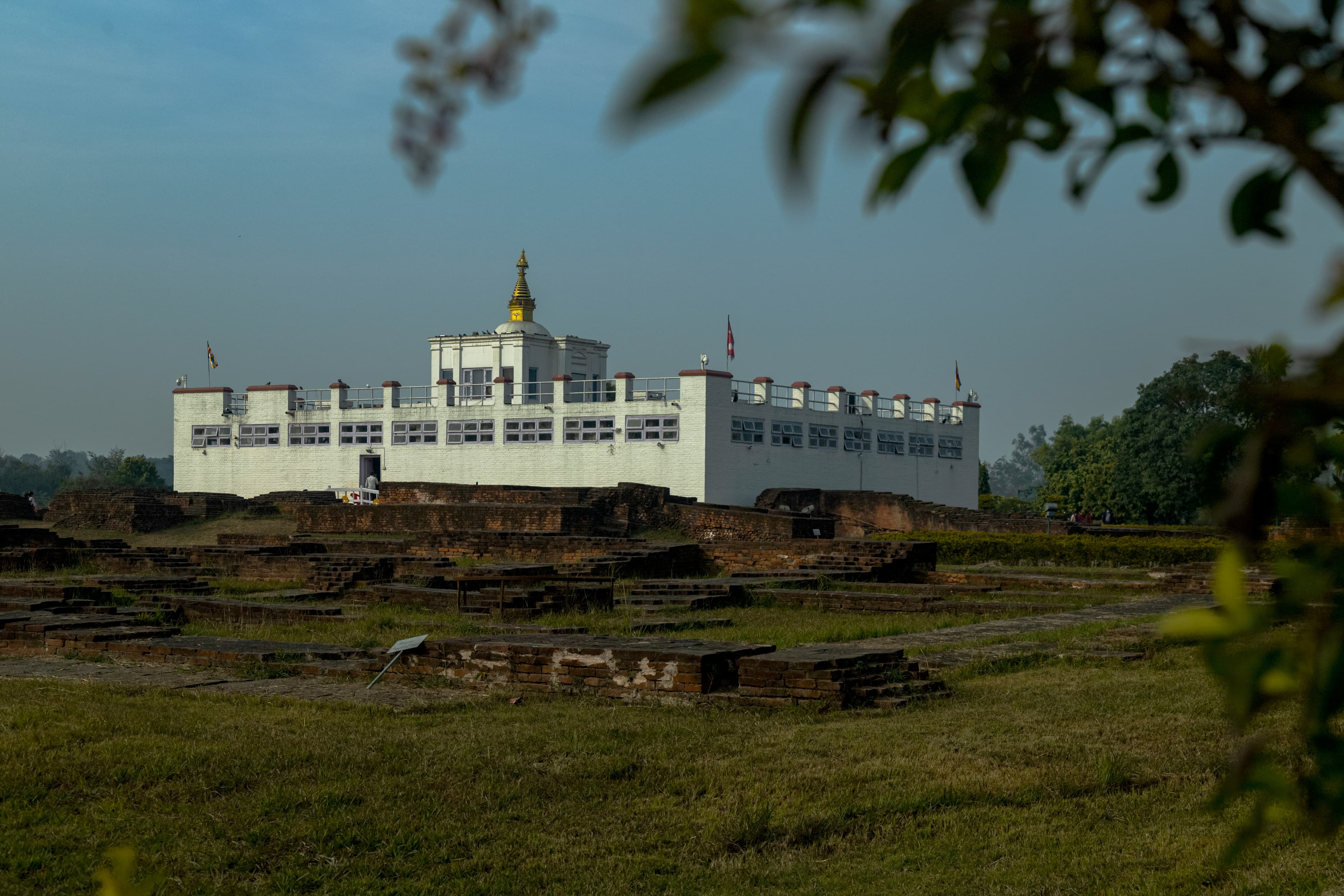
Lumbini
A grove of sal trees in what is now southern Nepal. He was born here, under open sky, into a life of comfort he would later leave behind. The garden is still there.
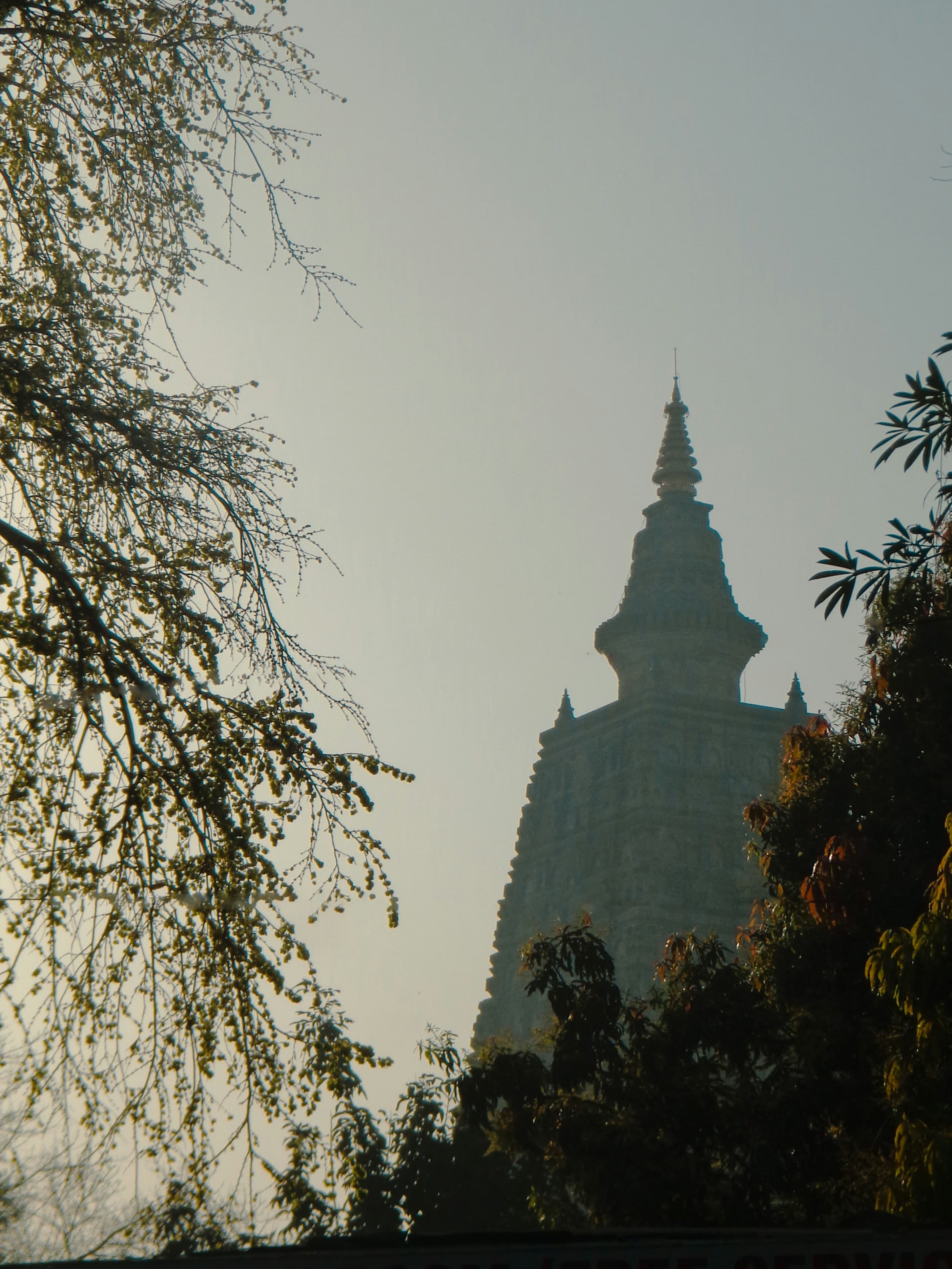
Bodh Gaya
He sat beneath a fig tree at what is now the Mahabodhi temple complex and resolved not to leave until he understood. He sat for forty-nine days.
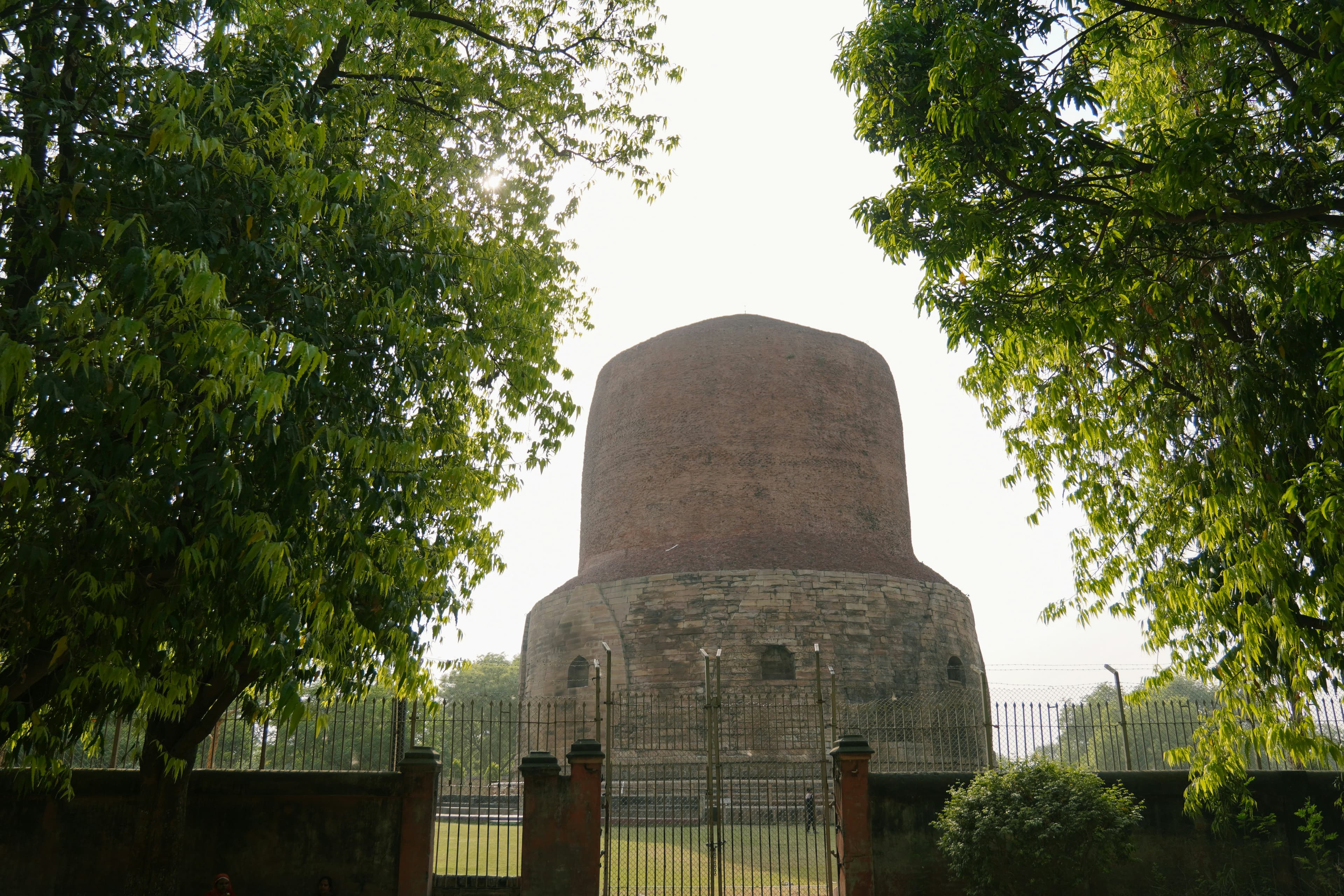
Sarnath
After weeks of walking from Bodh Gaya, he found five former companions in the deer park outside Varanasi and spoke for the first time. This was the first sermon.
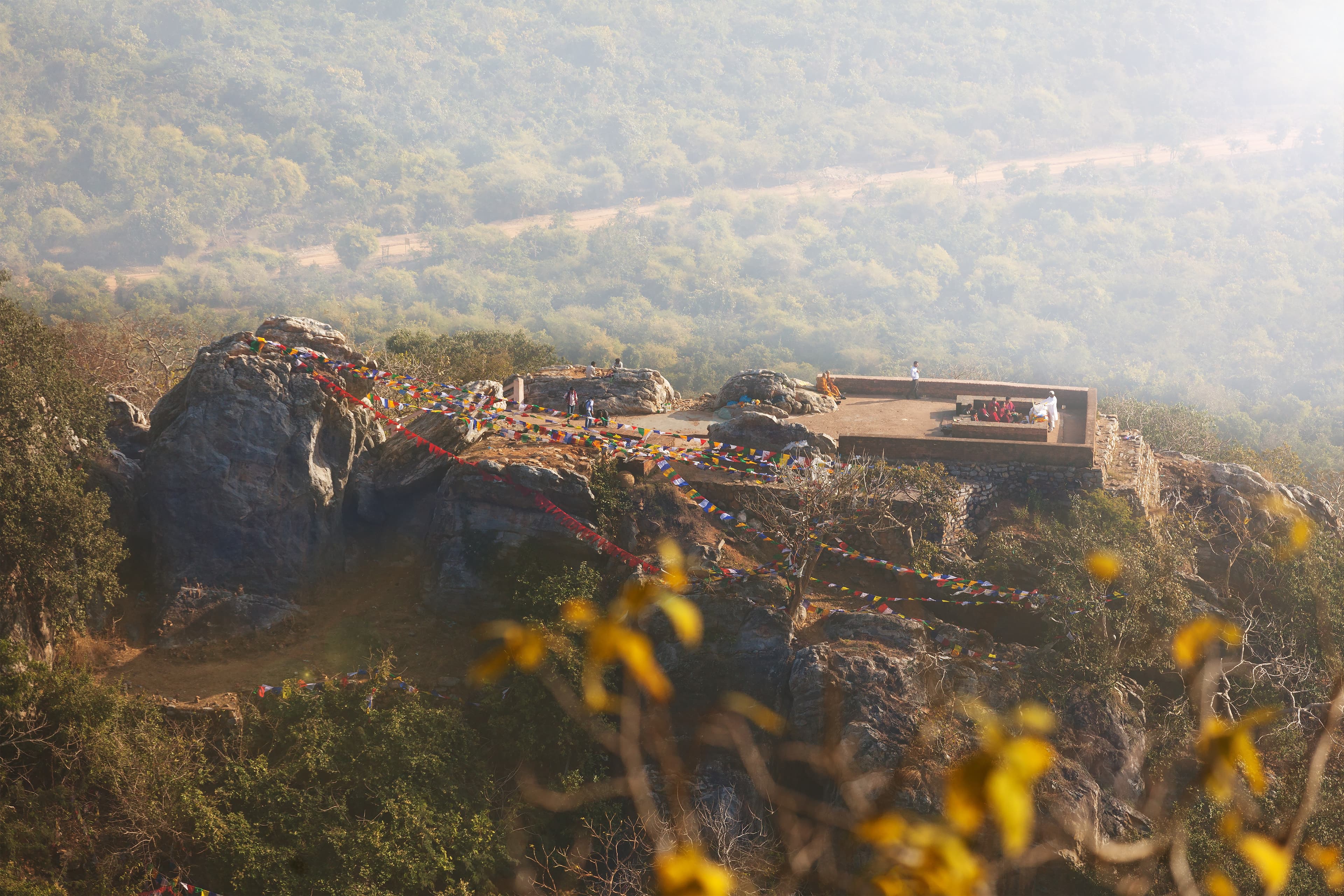
Rajgir
The hill above the ancient city of Rajagriha — Vulture's Peak. He taught here for years. Kings came to listen. The hill is still accessible. The view has not changed.
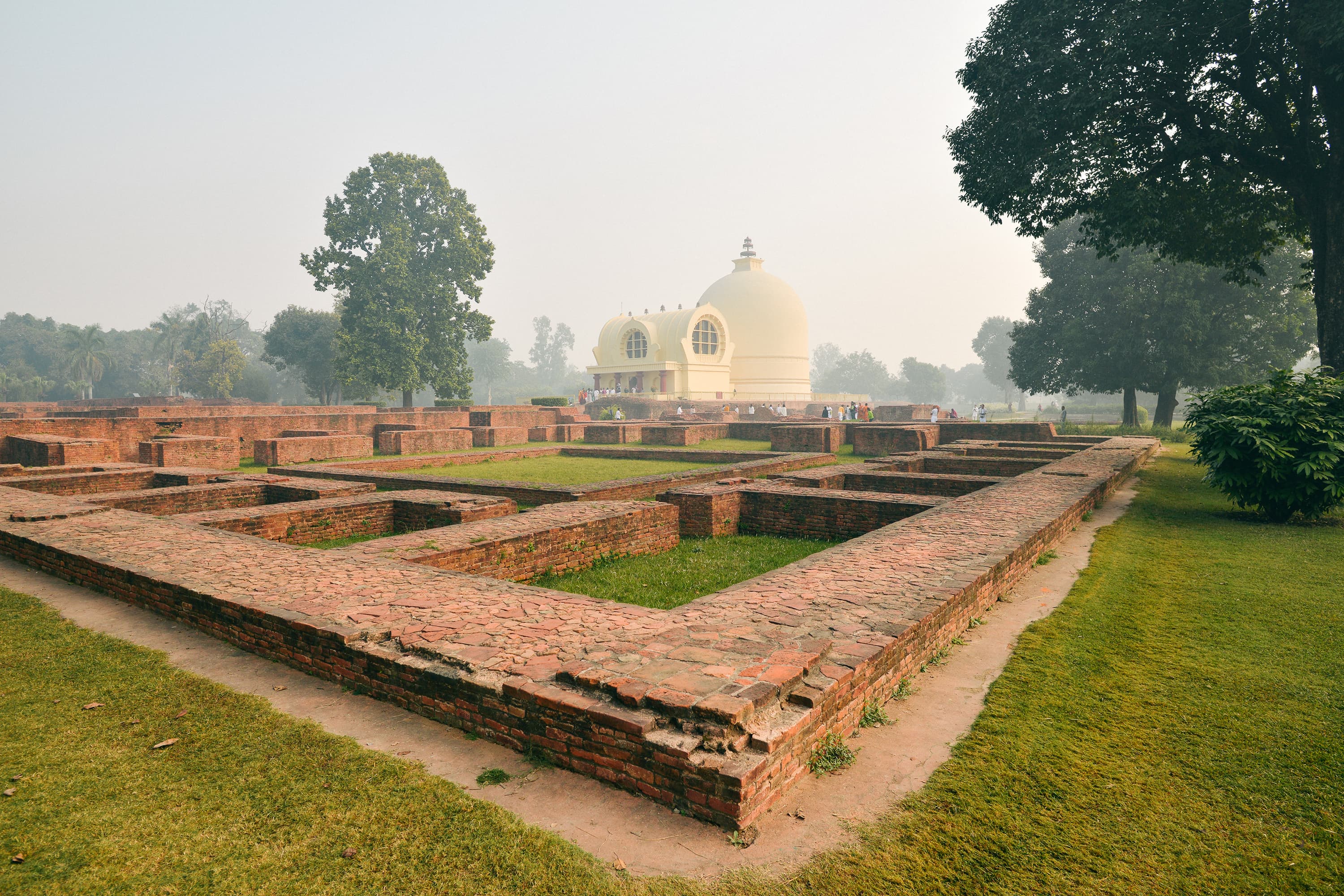
Kushinagar
Between two sal trees — the same tree that had marked his birth — he lay down for the last time. The town is named for the place where the journey ended. We named the brand for the same reason.
The garments are notes
from those places.
Five tees. One for each site on the route. Each printed with the imagery of that place — not as symbols, not as religious icons, but as records. The cloth carries the place. You carry the cloth.
A small studio. A small batch. Printed in India, shipped from Kushinagar. Each piece ships with a card that tells you what you're wearing and why.
VIEW THE COLLECTION